01 / INPUTBTC · ETH · SOL
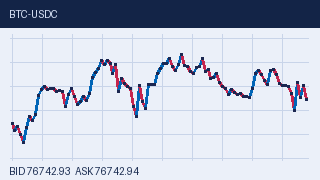
WAITING FOR A FRAME
INPUT PROXY
THE FLY GETS THE PIXELS.
Three markets take turns. A price chart stimulates 3,335 brightness inputs and 811 R8 color inputs. The sensory mapping is an approximation.
 HOW IT WORKS
Waiting for portfolio data.
No fills yet. Neural decisions can be viewed separately.
Reward and aversive inputs appear here when the portfolio changes.
A real wiring diagram. Approximate neurons. An engineered trading interface.
Three markets take turns. A price chart stimulates 3,335 brightness inputs and 811 R8 color inputs. The sensory mapping is an approximation.
The retained MaleCNS v1.0 wiring diagram links 166,700 simulated cells. Approximate electrical dynamics make them spike and influence connected cells.
A fixed readout proposes buy, sell or hold. A separate position manager sizes or rejects orders using cash, owned units and limits. Permitted live orders go through Coinbase Advanced.
Allocation settings load from the connected run.
Portfolio changes of at least ±0.01 USDC trigger a 200 ms pulse into simulated dopamine cells: 15 PAM11 for gains, two PPL101 for losses. A candidate memory rule changes selected connections.
Profitable learning hasn’t been demonstrated. Feedback tracks the whole portfolio, so it doesn’t prove the last trade caused a gain or loss. The fly avatar is decorative.
One worker owns the ledger and brain state. This page only reads published snapshots; opening more tabs never creates more traders. The execution label distinguishes simulated fills from exchange orders.
Portfolio marks refresh every second from Coinbase’s public feed. Amounts are in USDC using Coinbase’s shared USD/USDC prices. The brain still observes once a minute; display updates do not trigger learning or trades.